
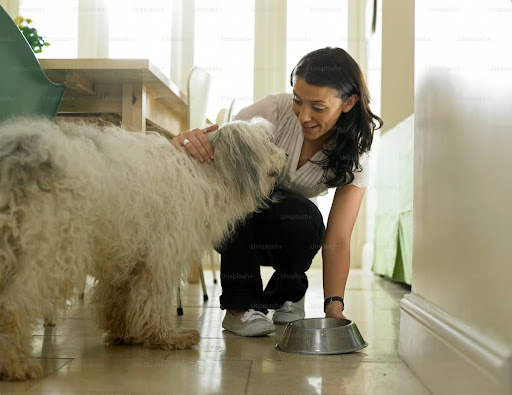
A balanced diet is one of the most important factors in ensuring your dog lives a long, active, and happy life. Just like humans, dogs require the right mix of nutrients to support their energy levels, digestion, immune system, and overall well-being. With so many food options available today—from commercial kibble to raw diets—dog owners must make informed decisions to ensure their pets receive proper nutrition every single day.
Here are five essential tips to help you maintain a healthy, nourishing diet for your beloved canine companion.
1. Choose High-Quality Dog Food With Balanced Nutrition
The foundation of your dog’s diet should be high-quality food that delivers balanced nutrition. Look for dog food that lists real meat—such as chicken, beef, lamb, or fish—as the first ingredient. Foods with excessive fillers like corn, soy, or artificial additives may not provide sufficient nutrients and can contribute to digestive issues or allergies.
Complete and balanced dog foods formulated according to AAFCO guidelines ensure your pet receives the right amount of protein, fats, carbohydrates, vitamins, and minerals. High-quality meals support strong muscles, shiny coats, and long-term health.
2. Consider Incorporating Raw Dog Food Into Their Diet
Many pet owners are turning toward raw dog food as a natural and nutrient-rich alternative to traditional processed options. Raw diets typically include uncooked meat, organs, bones, and vegetables, providing dogs with high levels of protein and essential nutrients.
Supporters of raw feeding argue that it promotes healthier digestion, increased energy, better dental health, and improved skin and coat quality. However, it is important to source raw food from trusted providers to avoid contamination risks and ensure nutritional balance.
3. Pay Attention to Portion Control and Feeding Schedules
Feeding your dog the right amount of food is just as important as choosing the right type of food. Overfeeding can lead to obesity, joint problems, and metabolic disorders, while underfeeding may cause malnutrition and low energy levels.
Always follow portion guidelines provided by your vet or the food manufacturer, adjusting amounts based on your dog’s age, weight, and activity level. Establishing consistent feeding times helps regulate digestion and prevents overeating.
4. Provide Fresh Water at All Times
Hydration is a vital part of canine health. Dogs need access to clean, fresh water around the clock to regulate temperature, support digestion, and maintain healthy organs. Active dogs, puppies, and those living in warmer climates require even more hydration to stay healthy.
Make it a habit to refill your dog’s water bowl multiple times daily and clean the bowl regularly to prevent bacteria buildup. Proper hydration supports every system in the body and plays a major role in nutrient absorption.
5. Add Safe, Vet-Approved Treats and Supplements
Treats are a great way to reward your dog, but they must be healthy and given in moderation. Choose treats made from natural ingredients, and avoid those with artificial flavors, excessive salt, or sugar.
Depending on your dog’s needs, supplements such as omega-3 fatty acids, probiotics, or joint support chews may also be beneficial. Always consult your veterinarian before introducing supplements to ensure safety and proper dosage.
Conclusion
Maintaining a healthy diet for your dog requires mindful choices, proper portions, and consistent care. By focusing on quality food, balanced nutrition, hydration, and safe additions like raw options or supplements, you can help your dog stay vibrant, strong, and full of life for years to come.
